Finding skilled tradespeople who can do more than just lay a bead is one of the biggest challenges facing construction and manufacturing companies right now. That's where welder fabricators come in. Understanding welder fabricator duties and responsibilities matters whether you're a contractor trying to hire the right person or a worker looking to advance your career.
FlexCrew specializes in connecting qualified welding professionals with companies across Texas, Florida, Georgia, and beyond who need reliable skilled trades talent fast.
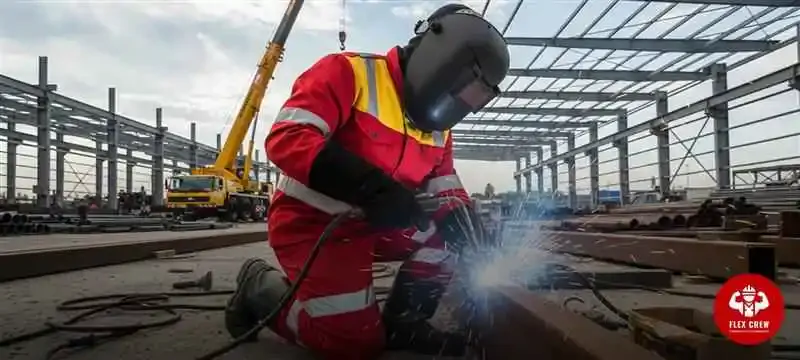
A welder fabricator isn't just someone who joins metal pieces together. This role combines technical welding skills with fabrication expertise to transform raw materials into finished products and structures. These professionals read blueprints, cut and shape metal, fit components together, and then weld everything into place. They're the ones building the steel frames for commercial buildings in Houston, fabricating equipment for manufacturing plants in Atlanta, and constructing infrastructure across Florida's booming construction market.
What Does a Welder Fabricator Actually Do?
The distinction between a welder and a welder fabricator trips up many people outside the industry. A welder specializes in joining metal using heat. A fabricator takes raw materials and turns them into components through cutting, bending, and shaping. A welder fabricator does both from start to finish.
Daily tasks vary depending on the work environment. In a fabrication shop, you might spend your morning reviewing engineering drawings for a custom equipment build. After lunch, you could be operating a plasma cutter to shape steel plates. By afternoon, you're fitting pieces together and running MIG welds on the assembled structure.
Field work looks different. Construction sites in cities like Tampa, Dallas, or Jacksonville might have welder fabricators doing on-site repairs, modifying existing structures, or fabricating components that need custom fitting. The work requires problem-solving skills because real-world conditions rarely match perfect shop conditions.
Core Welder Fabricator Duties and Responsibilities
The day-to-day work of a welder fabricator covers a wide range of technical tasks. Here's what employers expect when they list welder fabricator duties and responsibilities in job postings.
Blueprint Reading and Interpretation
Every project starts with understanding what needs to be built. Welder fabricators must read and interpret technical drawings, engineering specifications, and welding symbols. This includes understanding dimensions, tolerances, material callouts, and weld specifications. A misread blueprint means wasted materials and time.
Material Preparation and Cutting
Before any welding happens, materials need preparation. This involves selecting the right metal stock, measuring accurately, and cutting pieces to specification. Common cutting methods include plasma cutting, oxy-fuel torches, band saws, and shears. Each material type requires different approaches.
Fitting and Assembly
Fitting is where fabrication skill really shows. Components must align precisely before welding begins. This might involve using jigs, clamps, and fixtures to hold pieces in position. Tack welds secure components temporarily while checking alignment. Poor fit-up leads to weak welds and failed inspections.
Welding Operations
The welding itself requires proficiency in multiple processes. Most welder fabricators need competence in MIG (GMAW), TIG (GTAW), and stick (SMAW) welding at minimum. Different materials and applications call for different techniques. Structural steel work typically uses flux-cored arc welding. Stainless steel fabrication often requires TIG welding for clean, precise joints.
Quality Inspection
Welder fabricators inspect their own work continuously. This includes visual inspection for defects like porosity, undercut, or incomplete fusion. Some positions require familiarity with non-destructive testing methods. Catching problems early prevents costly rework.
Equipment Maintenance
Keeping tools and welding equipment in working order falls under the job description. This means cleaning welding guns, replacing consumables, adjusting machine settings, and performing basic troubleshooting when equipment acts up.
Work Environments and Conditions
Understanding where welder fabricators work helps set realistic expectations for the career. The job isn't always comfortable, but many professionals find it deeply satisfying.
Fabrication Shops
Shop work offers more controlled conditions. Climate control exists in some facilities, though many shops get hot in summer and cold in winter. You'll work at welding stations with overhead cranes and material handling equipment nearby. Production schedules drive the pace.
Construction Sites
Field work means adapting to whatever conditions exist. In Texas, that could mean 100-degree heat in August. Florida brings humidity and afternoon thunderstorms. Georgia construction sites might have you working at elevation on structural steel. Personal protective equipment is non-negotiable regardless of temperature.
Specialty Environments
Some welder fabricators work in specialized settings. Shipyards employ welders for marine fabrication and repair. Pipeline work involves travel and remote locations. Industrial maintenance positions have you crawling into confined spaces to repair equipment.
The physical demands are real. Expect to stand for long periods, work in awkward positions, and handle heavy materials. Eye protection, respirators, and protective clothing are daily requirements. Veterans of the trade often mention that proper PPE use becomes second nature.
Required Skills and Certifications
Employers hiring welder fabricators look for a combination of formal credentials and practical abilities. The skills that get you hired differ from the skills that get you promoted.
Technical Certifications
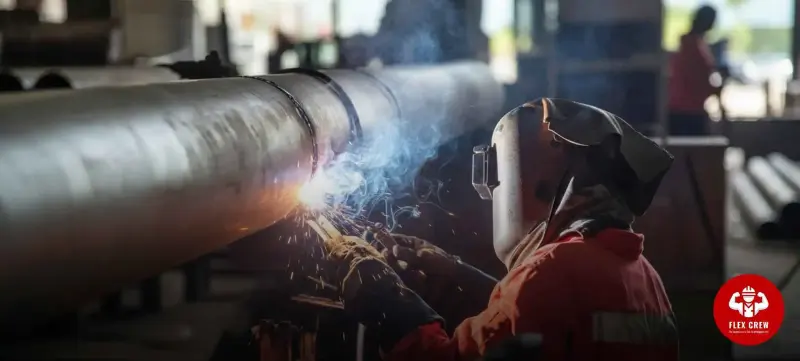
The American Welding Society (AWS) offers the most widely recognized certifications. The Certified Welder (CW) credential demonstrates competency through practical testing. AWS D1.1 certification covers structural steel welding and is commonly required for construction work. Different codes apply to different industries D1.2 covers aluminum, while pressure vessel work falls under ASME standards.
Certification testing happens at Accredited Testing Facilities across the country. The process involves welding test coupons that get inspected and evaluated against specific acceptance criteria. Certifications require maintenance through documented continued welding activity.
Core Technical Skills
Beyond certifications, employers want demonstrated ability in:
- Multiple welding processes (MIG, TIG, stick, flux-core)
- Blueprint reading and welding symbol interpretation
- Precision measurement using calipers, micrometers, and squares
- Operation of fabrication equipment including brakes, shears, and saws
- Basic metallurgy knowledge for material selection
- Math skills for calculating angles, dimensions, and material requirements
Soft Skills That Matter
Technical ability alone doesn't make a complete welder fabricator. The professionals who advance fastest also demonstrate:
- Attention to detail that catches problems before they become expensive
- Problem-solving when field conditions don't match drawings
- Communication skills for coordinating with other trades
- Time management to meet production schedules
- Safety awareness that protects themselves and coworkers
Workers looking to strengthen their professional profiles can use tools like FlexCrew's AI Resume Builder to highlight certifications and experience in ways that catch employers' attention.
Salary Expectations Across Key Markets
Compensation for welder fabricators varies significantly based on experience, certifications, location, and industry. Understanding the pay landscape helps with career planning and job negotiations.
Entry-Level Positions
New welder fabricators typically start between $35,000 and $45,000 annually. This assumes basic welding training and limited certifications. Entry-level workers in training-intensive shops may start lower with the expectation of rapid skill development.
Mid-Career Professionals
With three to five years of experience and relevant certifications, welder fabricators commonly earn $50,000 to $65,000. Specialization in high-demand processes or industries pushes compensation higher.
Experienced Specialists
Senior welder fabricators with extensive certifications and specialized skills can earn $70,000 or more. Supervisory roles, quality control positions, and work in demanding industries like aerospace or energy often exceed these figures.
Regional Variations
Location significantly impacts pay. Based on 2024-2025 salary data:
- Texas welder fabricators average around $54,000 to $61,000
- Florida positions range from $42,000 to $63,000 depending on experience level
- Georgia welding jobs typically pay $43,000 to $60,000
Construction hotspots with labor shortages often pay premiums above these averages. Overtime opportunities can substantially increase annual earnings, particularly on large commercial or industrial projects.
Career Advancement Opportunities
The welder fabricator role serves as a launching point for multiple career paths. Where you go depends on your interests and willingness to continue learning.
Technical Specialization
Some professionals deepen their technical expertise. This might mean mastering exotic alloys, becoming proficient in automated welding systems, or specializing in pipe welding for the energy industry. Specialists command premium rates and face less competition for positions.
Inspection and Quality Control
The Certified Welding Inspector (CWI) credential opens doors to inspection roles. CWIs evaluate welder qualifications, inspect completed work, and ensure code compliance. This path involves more responsibility and typically better compensation than production welding.
Supervision and Management
Leadership roles await welder fabricators who develop management skills alongside technical abilities. Shop foremen, project supervisors, and production managers often rose through the welding ranks. Understanding the work from the ground up provides credibility when leading teams.
Business Ownership
Many successful fabrication shop owners started as welder fabricators. The comprehensive skill set understanding materials, processes, equipment, and customer requirements provides a strong foundation for entrepreneurship.
How FlexCrew Supports Welder Fabricator Careers
Whether you're an employer searching for qualified welder fabricators or a skilled tradesperson looking for your next opportunity, FlexCrew's platform streamlines the connection process.
For contractors and construction companies across Texas, Florida, Georgia, and other high-growth markets, FlexCrew maintains a network of pre-vetted welding professionals ready for deployment. The platform's verification processes confirm certifications and experience before candidates appear in searches. This saves hiring managers countless hours screening unqualified applicants.
For welder fabricators seeking positions, FlexCrew offers access to opportunities that might not appear on traditional job boards. The platform's AI Resume Builder helps welding professionals present their certifications, processes, and experience in formats that resonate with employers. Workers can set availability, specify preferred job types, and connect directly with companies needing their skills.
The construction industry's persistent skilled labor shortage means qualified welder fabricators have leverage in today's market. Understanding welder fabricator duties and responsibilities and being able to demonstrate competency across them positions you for the best opportunities available.