never stops just because temperatures plunge below freezing. Across Texas, Florida, Georgia, and other southern states, crews face unexpected cold snaps that catch workers off guard. Understanding winter safety tips for workers helps protect your team from cold-related injuries while keeping projects on schedule.
At FlexCrew, we connect skilled tradespeople with construction companies that prioritize safety. Whether you need experienced carpenters, welders, or electricians, having properly trained workers who understand cold weather protocols makes all the difference during winter months.
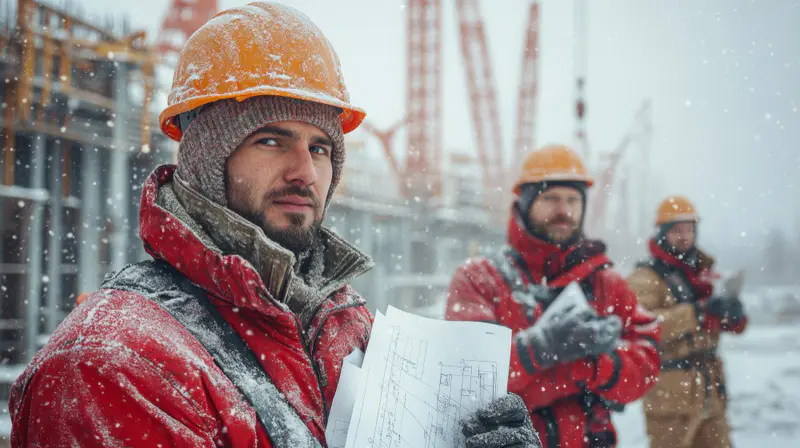
Understanding Cold Stress and Its Warning Signs
Cold stress occurs when the body loses heat faster than it can produce it. This happens more quickly than most workers realize, especially when wind chill factors into the equation. Even at 40°F, winds as low as 15 mph can drop the effective temperature to freezing levels.
The three primary cold-related conditions every construction worker should recognize are hypothermia, frostbite, and cold-induced dehydration. Hypothermia begins when body temperature drops below 95°F. Early symptoms include shivering, confusion, and loss of coordination. Left untreated, it progresses to slurred speech, drowsiness, and eventually loss of consciousness.
Frostbite targets extremities first—fingers, toes, ears, and nose. Warning signs include numbness, tingling sensations, and skin that appears pale or bluish. Touching cold metal with bare hands can cause immediate frostbite, making proper glove use essential for anyone handling steel, tools, or equipment.
Many workers don't realize dehydration remains a serious risk in winter. Cold air holds less moisture, and workers often don't feel thirsty despite losing fluids through respiration and sweat. Staying hydrated helps your body regulate temperature and maintain energy throughout the shift.
Dressing for Success: Layering Strategies That Work
Proper clothing selection separates comfortable, productive workers from those who struggle through every hour. The layering system remains the gold standard for winter construction work, but getting it right requires understanding each layer's purpose.
Your base layer should wick moisture away from skin. Merino wool or synthetic materials perform best here. Cotton holds moisture against the body and should be avoided as a base layer. When cotton gets wet from sweat, it loses insulating properties and actually accelerates heat loss.
The middle layer provides insulation. Fleece, down, or synthetic insulated garments trap warm air close to your body. This layer should fit loosely enough to maintain air pockets but not so loose that it bunches under your outer shell.
Your outer layer blocks wind and repels moisture. Waterproof, breathable shells work best for active construction work. Many experienced workers keep their outer layer slightly unzipped while working hard, then zip up during breaks to prevent overheating and subsequent chilling.
Footwear deserves special attention. Insulated, waterproof boots with aggressive tread patterns provide traction on icy surfaces while keeping feet warm. Steel-toed boots conduct cold directly to your feet, so composite toe options often work better in extreme cold. Wool socks outperform cotton in every winter condition.
Winter Safety Tips for Construction Workers: Site Preparation Essentials
Before any work begins, jobsites require thorough inspection for winter-specific hazards. Ice accumulation on walkways, scaffolding, ladders, and equipment creates slip and fall risks that didn't exist the day before. Morning inspections should become standard protocol during cold months.
Clearing snow and ice takes priority over starting scheduled tasks. Salt or sand application on walking surfaces dramatically reduces slip incidents. Focus on high-traffic areas, access points, and any elevated work surfaces first.
Icicle formation creates falling object hazards that many workers overlook. Knock down icicles from overhead structures before crews begin working below, or establish exclusion zones until they can be safely removed.
Equipment requires cold-weather preparation too. Hydraulic systems, electrical components, and pneumatic tools all behave differently in freezing temperatures. Follow manufacturer guidelines for cold-weather startup procedures. Air compressor tanks should be drained after each use to prevent moisture from freezing and damaging internal components.
Creating Effective Warm-Up Stations and Break Protocols
Workers burn significantly more calories staying warm in cold conditions. Heated break areas allow crews to restore body temperature and recover from cold exposure throughout the shift. A heated trailer, tent with portable heaters, or indoor space should be accessible on every winter jobsite.

Break frequency matters more in winter than any other season. Rather than one or two long breaks, shorter warming periods every 60-90 minutes help maintain core body temperature and prevent cumulative cold stress. The exact schedule depends on temperature, wind conditions, and work intensity.
Warm, non-caffeinated beverages help raise internal temperature during breaks. While coffee feels warming, caffeine actually constricts blood vessels and can mask how cold your body really is. Warm water, herbal tea, or broth provide warming benefits without these downsides.
If using portable heaters in enclosed spaces, proper ventilation becomes critical. Carbon monoxide poisoning poses a serious risk when propane or kerosene heaters operate without adequate airflow. CO detectors should be installed in any heated enclosure.
PPE Considerations for Cold Weather Work
Standard personal protective equipment requires modifications for winter conditions. Hard hats should include insulating liners that cover ears while maintaining proper fit and protection. Loose-fitting liners can compromise hard hat effectiveness during falls or struck-by incidents.
Glove selection balances warmth with dexterity. Workers need enough manual flexibility to safely operate tools and handle materials. Many experienced tradespeople keep multiple glove types on hand—thin liner gloves for precision work and heavier insulated gloves for general tasks.
Eye protection fogs quickly when workers transition between cold outdoor air and warmer enclosed spaces. Anti-fog treatments and vented goggle designs help maintain visibility. Never skip eye protection because of fogging issues.
Fall arrest systems must be adjusted to fit properly over bulkier winter clothing. Straps and buckles should be inspected before each use for ice accumulation that could compromise their function. A harness that fit perfectly in summer may need significant adjustment to work safely over layered clothing.
Driving Safety and Emergency Preparedness
Winter driving incidents account for significant construction industry injuries each year. Black ice, reduced visibility, and longer stopping distances require adjusted driving habits. Allow extra travel time and maintain greater following distances when road conditions are questionable.
Every work vehicle should carry a winter emergency kit. Essential items include a shovel, ice scraper, jumper cables, tow straps, blankets, water, non-perishable snacks, and a fully charged backup phone battery. Cat litter or sand provides emergency traction if vehicles become stuck.
Weather monitoring becomes a safety responsibility during winter months. Supervisors should track forecasts throughout the day and make decisions about site closure or early release before conditions become dangerous. Getting workers home safely beats completing any construction milestone.
Building a Safety-First Winter Workforce
Implementing comprehensive winter safety programs starts with having the right people on your crew. Experienced workers who understand cold weather protocols require less supervision and make fewer dangerous mistakes. FlexCrewspecializes in connecting construction companies throughout Texas, Florida, Georgia, and surrounding regions with skilled tradespeople who take safety seriously.
Whether you need electricians, plumbers, HVAC technicians, welders, or carpenters, finding workers with proper training and safety awareness makes winter projects run more smoothly. Our staffing solutions help contractors scale their workforce quickly while maintaining the safety standards your projects demand.
For workers seeking construction positions, FlexCrew's AI-powered resume builder helps highlight your safety certifications and cold-weather experience to potential employers. Standing out in a competitive job market means showcasing the skills that matter most—and safety awareness ranks high on every contractor's priority list.
Training and Communication:
The Foundation of Winter Safety
Toolbox talks focused on winter hazards should become weekly occurrences once temperatures drop. Topics should cover cold stress recognition, proper clothing requirements, site-specific hazards, and emergency response procedures. Workers who understand the "why" behind safety rules follow them more consistently.
Buddy systems provide an additional safety layer during extreme cold. Workers should monitor each other for signs of cold stress that individuals might not recognize in themselves. Confusion and impaired judgment—early hypothermia symptoms—make self-assessment unreliable.
Document everything. When incidents occur, thorough documentation protects workers and companies alike. Daily logs should note weather conditions, safety measures implemented, and any concerns raised by crew members. This record-keeping proves especially valuable if cold-related injuries do occur.
Keep Your Crew Safe This Winter
Winter construction requires extra vigilance, proper preparation, and a workforce that understands the unique hazards cold weather brings. Following these winter safety tips for construction workers protects your team while keeping projects moving forward productively.
Need skilled workers who prioritize safety? FlexCrew provides construction staffing solutions across Texas, Florida, Georgia, and beyond. Our network of experienced tradespeople includes electricians, plumbers, welders, carpenters, and more—all ready to contribute to your next project safely and professionally.
Visit flexcrewusa.com today to find qualified workers or discover your next construction opportunity.