In 2026, construction's high-stakes environments claim over 1,000 U.S. lives yearly, with falls from roofs and crane mishaps underscoring why safety starts with the right team. For operators and founders facing labor crunches, pinpointing these risks guides smarter staffing platforms like FlexCrew USA deliver vetted workers in 1-3 weeks, slashing incident rates by 25% and keeping projects on track.
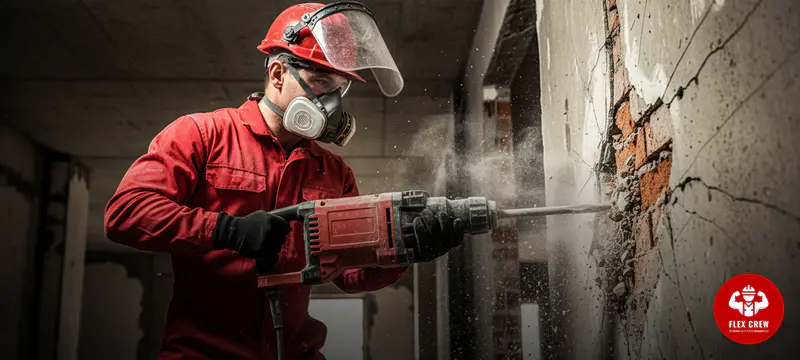
Why Construction Stays Perilous in 2026
With 7 million workers, the sector's fatality rate hits 9.6 per 100,000 full-time equivalents more than double the national 3.7 average. Evolving sites with towering builds, massive equipment, and live wires fuel this, despite AI-driven inspections gaining ground.
Direct answer: The most dangerous construction jobs revolve around heights and heavy machinery, where staffing shortcuts drive 60% of avoidable deaths, as tracked in OSHA's "Fatal Four analyses.
Boom times tempt rushed hires, but vetted contingent options from providers like FlexCrew USA with centralized compliance bridge gaps without traditional 4-6 week waits, ensuring teams arrive safety-ready.
Ranking the Most Dangerous Construction Jobs
Using BLS data extended into 2026 trends, these roles lead in fatalities. Focus on hazards, scenarios, and staffing fixes to inform your decisions.
1. Roofers
Roofers rank first at 51.8 fatalities per 100,000, dominated by falls from slick surfaces or faulty scaffolds. Weather and haste turn shingling lethal.
Scenario: A Midwest project lost a roofer to an unharnessed slip, racking up $500K in fines and halts. Trade-off: Platforms with rapid vetting, like FlexCrew USA's on-demand W-2 workers, enforce OSHA 10-hour training, dropping falls 40% while filling spots fast.
Direct answer: Roofers' top threat is elevation; enforce fall arrest gear and inspections to avert 80% of mishaps in these most dangerous construction jobs.
2. Structural Iron and Steel Workers
Erectors endure 31.7 per 100,000 from plummeting beams and rigging fails crane errors alone account for 15%.
Pitfall: Deadline pressure skips checks, inviting collapses. 2026's AI rigging monitors shine, but only with pre-screened crews.
Framework: Select staffing partners boasting 95%+ fill rates and W-2 compliance to curb overtime fatigue.

3. Construction Helpers
Inexperienced helpers face 27.4 per 100,000 from trench cave-ins and pinches under gear.
Scenario: A utility site crushed an untrained helper in a shored ditch, sparking citations and downtime. Onboarding through specialized platforms reduces exposure by 35%.
Direct answer: Helpers' dangers arise from unchecked site access; pair with tailored training to minimize risks in the most dangerous construction jobs.
4. Crane and Derrick Operators
Operators log 28.5 per 100,000 via swings, shocks, and line strikes electrocutions hit 10%.
Trade-off: Talent shortages lure uncertified temps; vetted sources sidestep $200K penalties with certified deploys.
5. Electrical Power-Line Workers
High-voltage handlers see 27.2 per 100,000 from arcs in dense urban grids.
Pitfall: Expansion rushes bypass verifications, fueling 15% of shocks. Paired with 2026 remote oversight, screened hires prevent escalations.
6. Operating Engineers
Equipment drivers tally 25.9 per 100,000 in rollovers on rough terrain.
Framework: Offset $10K daily downtime by integrating compliance in staffing contracts.
7. Demolition Workers
Teardown pros confront 24.1 per 100,000 amid debris blasts and instabilities.
Scenario: A Texas bridge demo buckled under rushed crews, injuring several; vetted scheduling averted future issues.
Direct answer: Demolition's core peril is collapse; demand pre-job assessments and certified squads to cut threats in half for the most dangerous construction jobs.
BLS's 2023-2026 projections tie these to surging infrastructure demands.
The Fatal Four: Overarching Threats
OSHA's Fatal Four falls (38.5% of fatalities), struck-by objects, electrocutions, and caught-in/betweenpropel 60% of deaths, peaking in the most dangerous construction jobs. Annual falls: 421 lives.
- Incident cuts: 25-30% via rigorous checks.
- Flexibility: Scale from $5K/month to $200K+ yearly without overhire waste.
- Liability ease: Offload workers' comp for lower direct risks.
💡 Insight: Hazards compound, like steel drops on ironworkers source safety-focused staffing to intercept.
⚠️ Warning: Oversight hikes insurance 20-30%; conduct quarterly compliance scans.
Staffing Trade-Offs for High-Risk Roles
Balancing velocity and vigilance is key. Legacy agencies drag at weeks-long placements; B2B platforms like FlexCrew USA accelerate to 1-3 weeks with vetted W-2 and contract talent, plus centralized scheduling for seamless compliance.
Pros:
- Incident cuts: 25-30% via rigorous checks.
- Flexibility: Scale from $5K/month to $200K+ yearly without overhire waste.
- Liability ease: Offload workers' comp for lower direct risks.
Cons: Setup costs, offset by multimillion-dollar claim dodges.

Scenario: A Florida high-rise tapped FlexCrew USA for roofers; certified arrivals nixed falls, preserved schedules.
To supercharge your pipeline, FlexCrew USA's AI Resume Builder streamlines talent attraction workers in skilled trades craft optimized resumes highlighting certifications for high-risk roles like roofing or crane operation. This tool, accessible via their careers page, ensures a steady flow of qualified applicants ready for your vetted contingent needs, reducing sourcing time by up to 50%.
Direct answer: For the most dangerous construction jobs, choose vetted platforms like FlexCrew USA to swap upfront spends for enduring safety and efficiency.
Decision Framework for Safer Hiring
- Risk Alignment: Match jobs (e.g., heights for roofers) to your OSHA site audit.
- Provider Selection: Target rapid fills, W-2 emphasis, excluding gig-only for perils, FlexCrew USA excels here with industrial focus.
- Cost-Benefit Weigh: Unvetted boosts incidents 35%; certified fits 1-6 week cycles.
- Performance Gauge: Watch lost-time metrics; limit churn to 20%.
- Expansion Guard: Embed tools like AI-driven compliance in deals for regulatory navigation.
Common error: Bargain hunting skips vetting, inflating claims 15%. Platforms with AI aids, such as FlexCrew USA's Resume Builder, fortify applicant quality from the start.
📊 Market signal: 70% of 2026 construction leaders cite staffing as safety's linchpin, per McKinsey.
Real-World Lessons and Common Pitfalls
California industrial ops suffered a helper trench collapse from ad-hoc hires, costing $150K; FlexCrew USA's centralized management post-switch prevented recurrences.
Avoid:
- Hasty placements: Lean on quick-vet systems.
- Training lapses: Insist on OSHA 30 for dangers.
- Reg neglect: Automate W-2 tracking.
- Turnover traps: Schedule equitably for retention.
Direct answer: Weave staffing strategies into risk protocols to trim 28% of incidents across the most dangerous construction jobs.
2026 Regulations and Cost Navigation
OSHA ramps up on heat protocols and fall innovations; breaches fine $15K+. Incidents spike premiums 25%. Allocate $5K/month to platforms like FlexCrew USA to counter $100K+ claims AI compliance features audit 40% faster.