
You walk downstairs one morning and feel it, that unmistakable dampness under your feet. Maybe it's a faint musty smell, a hairline crack running along the wall, or a small puddle forming near the corner after heavy rain. Whatever the sign, one thought follows immediately: how much is this going to cost me?
If you're a homeowner in Texas, Florida, Georgia, or anywhere water pressure on foundations is a real and persistent problem, you're not alone in asking. How much does basement waterproofing cost is one of the most-searched home repair questions in the country, and the answers vary enough to cause real confusion.
This blog cuts through the noise with actual 2026 pricing data, method-by-method breakdowns, and the honest factors that move the number up or down.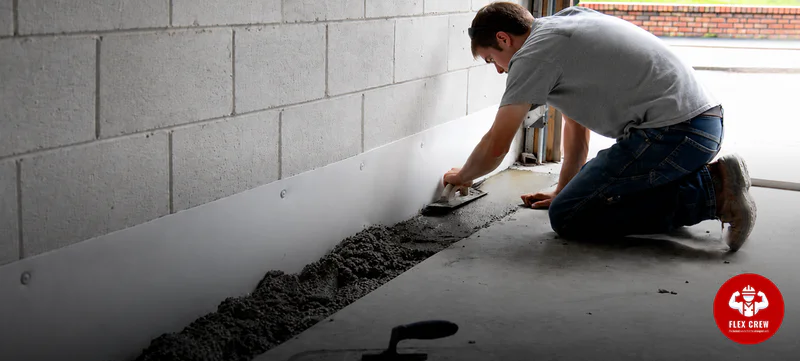
The National Average: What You're Actually Looking At
According to Angi, basement waterproofing costs $5,236 on average, with most homeowners paying between $2,461 and $8,196. Minor fixes like sealing a single crack can run as low as $600, while complete interior drainage systems can top $15,000.
This Old House puts the figure higher when you factor in project scope, averaging $13,640 for a 1,000-square-foot basement, with estimates ranging from $12,447 to $14,833 depending on method and severity.
HomeAdvisor confirms the national average at $5,234, with costs ranging from $3 to $10 per square foot. The spread is wide because the method you need, not just the size of your basement is the biggest cost driver.
How Much Does Basement Waterproofing Cost by Method?
Every wet basement has a story, and the right waterproofing method depends on where the water is coming from, not just that it's coming in. Here's how costs stack up by approach.
For most homeowners dealing with water entering through the cold joint, that seam where the wall meets the floor, an interior drain tile system with wall sheeting is the most practical middle ground. It's not the cheapest method, but it catches multiple sources of water intrusion at once and typically comes with a lifetime warranty. Industry professionals say roughly 70% of waterproofing jobs use this interior approach, and homeowners consistently prefer it for that reason.
Basement Waterproofing Cost Per Square Foot and Linear Foot
Contractors price this work two ways depending on the method being used.
To put that into real numbers: a 500 sq ft basement needing basic interior waterproofing typically runs $1,750 to $4,000. A 1,000 sq ft basement with a full interior drainage system and sump pump will land closer to $8,000 to $15,000. Labor accounts for roughly 50–60% of the total project cost, per Basement Waterproofing Scientists, which is why the scope of excavation or installation work matters so much.
Interior vs. Exterior: Which One Do You Actually Need?
This is the question at the heart of most contractor conversations, and frankly, it's where homeowners most often get steered wrong by high-pressure sales tactics.
Interior waterproofing doesn't stop water from reaching your foundation. What it does is intercept and redirect it before it can pool or cause damage. It's faster to install, far less disruptive, and significantly cheaper than exterior work. For the majority of homes, particularly in clay-heavy markets like Atlanta or flood-prone areas like Houston and Tampa, interior systems are both sufficient and highly effective.
Exterior waterproofing stops water before it reaches your walls. It's the gold standard technically, but it requires digging down 8 to 10 feet around your entire foundation perimeter, applying a waterproof membrane, installing drainage board, and backfilling, all of which is labor-intensive and expensive. You need exterior work when hydrostatic pressure is bowing or cracking your walls, or when interior drainage simply can't keep pace with the volume of water pushing in.
One detail worth knowing: in some states, interior drainage systems technically meet the standard for "damp proofing" under building codes, not full waterproofing. If you're in a state with strict construction codes, ask your contractor exactly what standard their work meets and get it in writing.
How Much Does It Cost to Waterproof a Small Basement?
For smaller basements, under 400 square feet, early-stage problems are often the most affordable to resolve. A homeowner dealing with minor seepage in a 700 sq ft basement in one Pennsylvania case paid $2,800 for interior sealant and crack repairs. A neighbor with a similar-sized basement but more significant water intrusion paid $7,200 for a complete interior drain system with a sump pump. Same size, very different outcomes, and price tags.
The consistent message from every waterproofing professional: catch it early. A $900 epoxy crack seal today versus an $18,500 interior drainage overhaul after years of ignored damage is a real scenario homeowners face. Mold can begin growing within 24 to 48 hours of water intrusion, according to This Old House. Foundation cracks worsen with freeze-thaw cycles and soil movement over time.
What's the Cheapest Way to Waterproof a Basement?
Before you spend a dollar on a contractor, check these low-cost fixes first. They solve more basement water problems than most homeowners realize.
Extend your downspouts: Downspouts should discharge at least 6 feet from your foundation. Many "wet basement" cases trace back to water pooling against the house from short or clogged downspouts.
Regrade the soil: The ground around your home should slope away at a rate of about 1 inch per foot for the first 6 feet. One homeowner on Reddit fixed chronic basement flooding by spending $20 on fill dirt and a weekend's work.
Seal existing cracks yourself: For hairline or minor cracks, concrete crack sealant from a home improvement store is a legitimate fix, brush out loose debris, apply the sealant, done. Larger or actively leaking cracks need a professional.
Apply waterproofing paint: At $2 to $6 per square foot, interior sealant paint is the lowest-cost professional option. It won't fix serious water intrusion, but for humidity and minor surface moisture, it extends the life of your walls meaningfully.
These steps don't replace professional waterproofing when real drainage or structural issues exist. But they often reduce the scope of what a professional actually needs to do, and that brings the final price down.
What Adds to the Final Bill
A few factors routinely push basement waterproofing costs above initial estimates:
Mold remediation: If mold is present before waterproofing begins, common in basements that have had slow moisture issues for years, remediation can add $4,000 or more to your project. That's a separate line item from the waterproofing itself.
Foundation repair: Repairing foundation damage costs an average of $5,000 on its own, ranging from $2,000 to $8,000 for moderate issues and climbing to $25,000 to $50,000 for major structural problems, per HomeAdvisor. Waterproofing a cracked, compromised foundation without addressing the structural issue first is money wasted.
Finished basement teardown: If your basement is finished with drywall and flooring, contractors will need to remove those materials to reach the foundation. Refinishing after waterproofing is an additional cost that's easy to forget when budgeting.
Permits: Some municipalities require permits for waterproofing work, adding up to $500 to your project depending on location.
Red Flags When Getting Quotes
The Reddit conversation around EverDry Waterproofing captures what too many homeowners experience: a contractor shows up, identifies a problem, and presents a "sign today or the deal is gone" offer. Multiple experienced commenters, and contractors themselves, flagged this clearly. A reputable company will honor their quote while you shop. Full stop.
A few other things to look out for:
Financing terms: A $15,000 job financed at 10%+ over 10 years becomes closer to $24,000. Read the contract for compounding interest, early payoff penalties, and total repayment amount before signing.
One-solution contractors: Some companies only install sump pumps. Others only do exterior work. If a contractor's proposed solution doesn't depend on where the water is actually coming from, that's a problem. The diagnosis should come before the pitch.
Skipping the exterior diagnosis: The best contractors assess grading, gutters, and exterior drainage before recommending interior work. If that step is skipped, you may end up solving the symptom instead of the cause.
Always get at least three quotes. In markets like Dallas, Orlando, and Atlanta, prices for the same scope of work can vary 40 to 50 percent between contractors.
How Much Does Basement Waterproofing Cost in 2026: Regional Snapshot
Where you live affects what you pay, both in terms of local labor rates and how common water-related foundation problems are.
In flood-prone regions, waterproofing contractors are in high demand, and high demand means higher labor rates. This is especially relevant for homeowners in Texas and Florida, where seasonal storms create surges in project volume and contractor availability tightens.
Where FlexCrew Comes In
The crews doing this work, the foundation specialists, waterproofing technicians, concrete workers, and general laborers who show up on-site and get it done, don't appear out of thin air. Finding reliable, skilled tradespeople is often as hard for contractors as finding the right contractor is for homeowners.
FlexCrew connects skilled construction workers with contractors across Texas, Florida, Georgia, and other active markets. Whether you're a waterproofing company scaling up ahead of storm season or a general contractor who needs experienced carpentry or concrete crews for a basement renovation project, FlexCrew handles the staffing side so the work doesn't stall. Workers with foundation, plumbing, or light industrial experience can also use FlexCrew's AI-driven resume builder to put their skills in front of the right employers, fast.
Understanding how much does basement waterproofing cost helps homeowners budget smarter. Finding the people who do the work right is what keeps that investment from being wasted.
Visit flexcrewusa.com to learn more.