
Most homeowners get blindsided the moment they ask a painter for a quote. What sounds like a quick weekend project turns into a number they weren't expecting, and suddenly they're wondering if they're being overcharged, if the painter is being fair, or if they should just grab a roller and do it themselves. The confusion is real, and it costs people money on both sides of the transaction.
Understanding how much do painters charge per hour, and why that number looks the way it does, takes the guesswork out of hiring. Whether you're refreshing a bedroom in Houston, repainting a commercial space in Atlanta, or bringing on painters for a large construction project in Florida, the rates and the reasons behind them follow a consistent logic. This guide breaks that down clearly.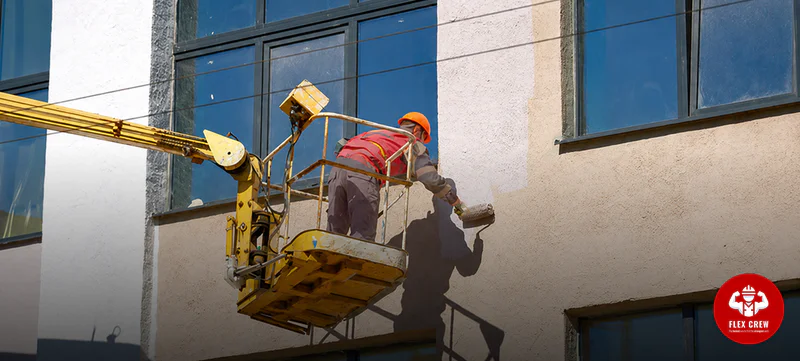
How Much Do Painters Charge Per Hour in 2026
The national range is broader than most people expect. Professional painters charge $25 to $75 per hour on average, with rates reaching $70 to $100 or more in specific locations or for specialty projects. That's a wide window, and it exists because painter rates are shaped by a combination of licensing, market, experience, and job complexity.
30-50% of painters are self-employed. That matters because self-employed painters carry very different overhead than painters employed by a company, and their rates often reflect that directly.
As of early 2026, the average annual pay for a painter in the United States sits at $45,394, which translates to approximately $21.82 per hour. But that's the employment wage figure, what a painter earns working for someone else. When a painter runs their own business, the billable rate is notably higher to account for insurance, tools, vehicles, taxes, and business overhead.
Professional painters running their own businesses average closer to $23–$24 per hour in take-home pay, with annual earnings between $40,000 and $66,000 depending on volume and market. To hit those numbers, their billable rates to clients typically start around $45/hr and scale up from there.
Here's how painter rates break down by type in 2026:
In states like Texas, Florida, and Georgia, where construction activity remains high and labor costs are lower than coastal metros, the $55–$80/hr range covers most licensed residential work. In cities like San Francisco or New York, painting labor hourly rates can reach $70 to $100 or more even for standard residential projects.
Self-Employed Painter Hourly Rate: What to Expect
The self-employed painter is the most common professional a homeowner will hire. They're running a solo or small-crew operation, and their rate structure reflects the full weight of running a business without the cushion of a payroll department.
Independent contractors that own their own business charge $20 to $70 per hour for labor, but they must account for overhead, insurance, and marketing costs that employed painters do not carry. That overhead vehicles, equipment, liability insurance, licenses, marketing, typically adds 20–40% to what a painter would otherwise need to charge just to break even.
This is why a self-employed painter charges $65/hr. After expenses, their actual take is considerably less. The rate is the business rate, not the personal rate. Understanding that distinction helps homeowners evaluate bids without unfair comparisons.
Experienced self-employed painters who've been working in a market for several years and built a reputation often command the higher end of the $55–$80/hr range. Newer independents trying to build a client base may work closer to $40–$55/hr while they establish reviews and referrals.
House Painter Hourly Rate vs. Per Square Foot vs. Per Room
Most professionals don't actually bill clients an hourly rate, even when they calculate one internally. The industry has largely moved toward flat project pricing, because it creates less friction with clients and allows skilled painters to earn more when they're efficient.
While most painters charge based on the job's square footage, in situations that include painting specialty items or tight rooms like bathrooms, a pro may calculate the invoice by the hour instead. When charging by the hour, painters earn between $20 and $50 per hour for standard jobs, and up to $75 to $100 per hour for highly detailed work.
Here's how the three pricing methods compare in practice:
In 2026, painting jobs are typically priced between $2–$6 per square foot for interiors and $1.50–$4 per square foot for exteriors. Most single rooms range from $400–$1,200, while full interior repaints of 1,500–2,000 square foot homes commonly fall between $3,000 and $8,000.
How Much Does a Painter Charge Per Room?
Room-based pricing is one of the most intuitive ways to think about painting costs, and many homeowners find it easier to budget this way. The challenge is that rooms vary widely, a small bathroom is nothing like a vaulted great room, so "per room" rates carry a lot of built-in assumptions.
Painters charge $300 to $1,200 per room on average, depending on size. A standard 10×12 bedroom costs roughly $391 for walls only, or around $815 to paint the whole room including ceiling, trim, baseboards, and doors. Living rooms can run between $1,000 and $3,000 once ceilings and trim are factored in.
Closets, crown molding, high ceilings, and accent walls all push that number up. A painter giving you a flat per-room rate is making assumptions about what "standard" means to make sure you and the painter agree on what's included before work starts.
What do Painters Charge Per Square Foot?
Square foot pricing is the most common method for larger jobs, and it's the benchmark most experienced painting contractors use to keep estimates consistent and profitable.
Residential painters charge $0.50 to $6.00 per square foot, while new construction or commercial painting rates average $2 to $6 per square foot. The low end of that range usually reflects walls only with minimal prep, while the high end includes ceilings, trim, detailed surfaces, and significant prep work.
For exterior painting, the numbers shift. Exterior house painting costs $3,000 to $10,000 on average for projects that include walls, windows, doors, trim, gutters, and downspouts. Single-story homes sit at the lower end; anything multi-story with complex surfaces or significant prep requirements pushes costs higher.
What Makes Painter Rates Go Up
The hourly rate is just the starting point. Several job-specific factors consistently push the final cost above the base number, and a good estimate will reflect all of them.
Prep work: Surface prep is where professional painters earn their rate. Cleaning, patching, sanding, priming, and taping all take time before a brush ever touches a wall. Heavy prep, nicotine stains, old peeling paint, drywall repairs adds meaningful hours to any job and should be itemized separately in a quote.
Surface complexity: Flat walls paint quickly. Trim, railings, cabinetry, and detailed molding take significantly longer per square foot. Specialty painting like murals and trompe l'oeil can cost $40 to $50 per hour more than standard work.
Height and access: Standard 8-foot ceilings are easy. Vaulted ceilings, two-story exteriors, and hard-to-reach surfaces require scaffolding or lifts, adding both equipment costs and labor time.
Number of coats: Two coats is standard for most residential repaints. Major color changes or heavily stained surfaces may require a primer coat plus two finish coats meaningfully more time and material.
Region and season: Home improvement demand generally drops around the holidays, and painters often offer more competitive rates during the slow season to keep crews busy. Hiring in fall or winter, especially in markets like Houston, Dallas, Atlanta, and Tampa can result in better pricing and faster scheduling.
Licensing and insurance: Well-managed painting businesses often enjoy gross profits of 50% and net profits between 13% and 27%. Licensed, insured contractors charge more because they carry real overhead, but that overhead is what gives homeowners recourse if something goes wrong. An unlicensed painter who damages your walls or gets injured on your property creates a liability problem that the savings rarely justify.
How Painters Price Jobs (And Why It Matters for You)
Most experienced painters calculate an internal hourly target, then build a flat project bid around it. They're not hiding the math, they're just presenting it in the form clients find easier to commit to.
The Reddit r/paint community is consistent on this point: pros who quote hourly rates to clients often end up earning less, because clients obsess over the clock. A flat bid removes that friction and lets the painter work efficiently without constantly justifying their pace.
What this means for you as a homeowner: when a painter presents a project price without an hourly breakdown, that's normal and professional. What you should ask for is a scope of work that clearly outlines what's included, which rooms, how many coats, what prep is covered, and what would trigger additional charges.
Profitable painting contractors calculate pricing in three steps: determine true labor and overhead cost per job, factor in materials, and build in a buffer for prep requirements and warranty exposure. A contractor who can explain their estimate in those terms is a contractor worth trusting.
Finding and Hiring the Right Painter
Getting three bids is the floor, not the ceiling. Make sure each bid covers identical scope, same rooms, same coats, same prep included, so you're comparing like for like. A $500 difference between two bids means nothing if one includes primer and the other doesn't.
Check licensing and insurance before hiring anyone for a significant job. Ask for proof. In most states, a painter who's licensed is also registered with the state contractor's board, which means there's a paper trail if something goes wrong.
For businesses that regularly hire painting crews across residential developments, commercial builds, or multi-site renovation projects, the sourcing challenge is real. Finding reliable, vetted painters on short notice is consistently one of the harder parts of managing a construction or property project.
That's where hiring platforms like FlexCrew serve a real purpose. Operating across Texas, Florida, Georgia, and other active construction markets, FlexCrew connects businesses with skilled trade workers, including painters without the overhead of running a full recruiting operation.
Workers looking for steady placements can also use FlexCrew's AI-powered resume builder to present their experience clearly and get matched to the right jobs faster.
The Bottom Line
How much do painters charge per hour in 2026 depends on who you're hiring, where you're located, and what the job actually involves. The realistic national range runs $25–$75 per hour for most residential work, with rates climbing to $100 or more for specialty projects or high-cost markets.
The cheapest bid is rarely the right bid. A painter who undercuts the market usually makes up the difference somewhere, in prep corners cut, paint quality reduced, or hours that stretch longer than the estimate. A fair rate for experienced, licensed work in markets like Houston, Atlanta, or Tampa typically lands between $55–$80/hr. That's the range worth benchmarking against.
Get the scope in writing, compare bids on identical terms, and prioritize painters with verifiable insurance and solid reviews. The extra hour you spend vetting upfront saves you weeks of headaches after the job's done.