When temperatures drop across Texas, Florida, Georgia, and other southern states, many people assume job sites go quiet. But do construction workers work in the winter? The short answer is yes and the demand for skilled tradespeople often remains steady even during colder months.
At FlexCrew, we connect contractors with reliable workers and help job seekers find placements in construction, skilled trades, and light industrial roles year-round. This breaks down what winter construction really looks like, how weather affects productivity, and what steps contractors and workers can take to stay safe and employed through the season.
The Reality of Winter Construction
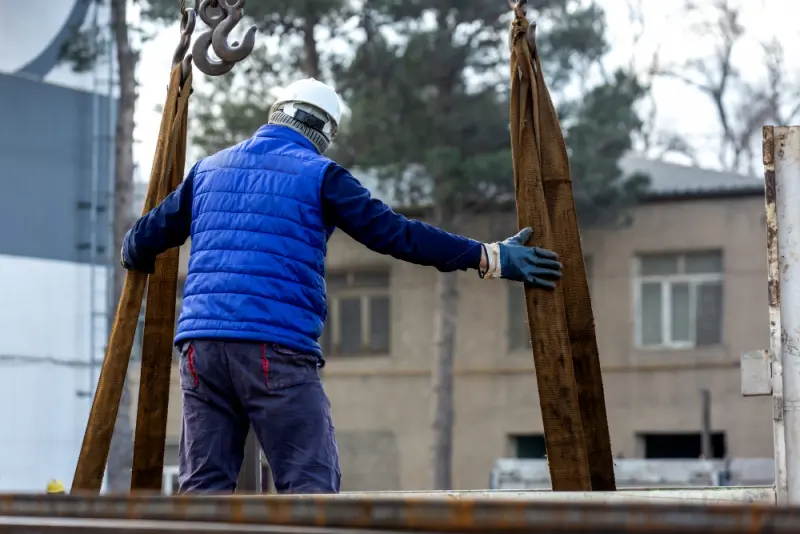
Construction does not stop when the calendar flips to December. Many projects push forward through winter to meet deadlines and avoid costly delays. Commercial buildings, infrastructure upgrades, and residential developments all require crews to stay on schedule regardless of the season.
The nature of the work may shift. Outdoor tasks like grading, concrete pours, and asphalt paving become more challenging in freezing temperatures. However, interior work electrical installations, plumbing rough-ins, HVAC system setups, drywall finishing, and carpentry continues without major interruption once a structure is enclosed.
In states where FlexCrew operates, including Texas, Florida, and Georgia, winter weather tends to be milder than in northern regions. This means outdoor construction often proceeds with only occasional slowdowns for rain or brief cold snaps. Contractors in Houston, Atlanta, Tampa, and Dallas regularly keep crews working through January and February.
How Weather Affects Job Sites
Temperature and Materials
Concrete requires careful handling in cold weather. According to the American Concrete Institute, freshly poured concrete exposed to temperatures below 40 degrees within the first 24 hours may lose about half its strength. Contractors address this by using heated water in the mix, insulated blankets, and ground-thawing equipment.
Mortar, grout, and adhesives also behave differently when temperatures drop. Water in these materials can freeze before proper curing occurs, weakening bonds and compromising structural integrity. Experienced crews warm materials before application and protect finished work with temporary heat sources.
Precipitation and Access
Rain, sleet, and occasional snow create slippery surfaces and muddy conditions. Unpaved access roads can become impassable for heavy equipment. Smart project planning accounts for weather delays by scheduling weather-sensitive tasks like roofing, exterior painting, and earthwork during drier periods.
The U.S. Bureau of Labor Statistics reports over 20,000 occupational injuries related to ice, sleet, and snow annually. Proactive site management includes spreading de-icing agents, clearing walkways promptly, and postponing high-risk activities during hazardous conditions.
Do Construction Workers Work in the Winter Across Trades?
Electricians and Plumbers
These trades often work year-round with minimal weather interruption. Once buildings are framed and sheathed, electricians wire interiors while plumbers install supply lines and drainage systems. Temporary heaters keep work areas comfortable and allow materials to perform correctly.
FlexCrew regularly places licensed electricians and plumbers with contractors who need consistent staffing through every season. Demand for these roles tends to remain high because interior finishing work must continue for projects to stay on schedule.
HVAC Technicians
Heating system installations often increase during fall and early winter as buildings need climate control before occupancy. HVAC technicians install ductwork, set up furnaces, and commission heating systems. Their work is essential for keeping job sites warm enough for other trades to finish drywall, paint, and flooring.
Carpenters and Framers
Framing can continue in cold weather, though crews work more slowly when bundled in heavy clothing. Snow and ice must be cleared from lumber and work surfaces. Once framing is complete, finish carpenters move inside to install trim, cabinets, and doors tasks unaffected by outdoor conditions.
Welders
Structural steel erection often proceeds through winter on commercial and industrial projects. Welders may need to preheat metal in cold temperatures to ensure proper fusion. Shop welding in fabrication facilities continues regardless of outdoor weather.

Safety in Cold Weather
Cold Stress Risks
The National Institute for Occupational Safety and Health identifies cold stress as a serious hazard. It occurs when the body loses heat faster than it can produce it. Contributing factors include low temperatures, wind chill, and wet conditions.
Warning signs include shivering, fatigue, confusion, and numbness in extremities. Severe cases can lead to hypothermia or frostbite. Workers should monitor themselves and coworkers, take regular warming breaks, and report symptoms immediately.
Proper Clothing and PPE
Layered clothing provides the best protection. Workers should wear moisture-wicking base layers, insulating mid-layers, and wind-resistant outer shells. Insulated waterproof boots, thermal gloves, and warm hats help prevent heat loss from extremities.
High-visibility gear remains essential, especially during shorter winter days when low light reduces visibility. Reflective vests and jackets help drivers and equipment operators see workers on site.
Scheduling Adjustments
The American Conference of Governmental Industrial Hygienists recommends specific work-to-warm-up ratios based on temperature and wind speed. At extremely cold temperatures, crews may work shorter shifts with frequent breaks in heated areas.
Contractors should also consider starting work later in the morning when temperatures rise and ending earlier as afternoon light fades. Flexible scheduling protects workers while maintaining productivity.
Tips for Contractors
Plan Strategically
Experienced project managers schedule foundation work, exterior masonry, and roofing for warmer months whenever possible. They reserve winter for interior finishing, mechanical installations, and punch-list items. This approach minimizes weather-related delays and keeps crews productive.
Invest in Climate Control
Portable heaters, propane-fired salamanders, and heated enclosures allow work to continue inside unfinished buildings. These tools protect workers and ensure materials like drywall compound and paint cure properly. The added equipment cost often proves worthwhile compared to project delays.
Partner with a Staffing Agency
Winter staffing can be unpredictable. Projects may slow briefly during severe weather, then ramp up quickly when conditions improve. Working with FlexCrew gives contractors access to pre-vetted electricians, plumbers, HVAC technicians, welders, and carpenters who can start within days rather than weeks.
This flexibility helps contractors scale their workforce up or down based on project demands without the overhead of maintaining a larger permanent crew during slower periods.

Tips for Workers
Expand Your Skills
Workers with multiple certifications have more options. A framer who also holds an OSHA-30 certification and can operate scissor lifts becomes valuable for a wider range of projects. Consider using slower periods to pursue additional training or certifications.
Keep Your Resume Current
An updated resume highlighting recent projects, certifications, and specialized skills helps you stand out. FlexCrew's AI Resume Builder helps construction workers create professional resumes quickly, emphasizing the experience contractors want to see.
Register with a Staffing Agency
Staffing agencies maintain relationships with multiple contractors across different project types. When one project slows, another may be ramping up. Registering with FlexCrew puts your profile in front of contractors actively seeking skilled tradespeople in Texas, Florida, Georgia, and surrounding areas.
Regional Differences
Geography plays a significant role in how much winter affects construction activity. In northern states, frozen ground can halt excavation and foundation work for months. Snow removal becomes a daily task.
In FlexCrew's primary markets Texas, Florida, and Georgia winters are generally mild. Freezing temperatures occur but rarely persist for extended periods. Outdoor work continues with only occasional interruptions. This climate advantage means contractors in cities like Houston, Dallas, Atlanta, Orlando, and Tampa can maintain more consistent schedules year-round.
That said, unusual cold snaps do happen. The February 2021 winter storm that hit Texas demonstrated how quickly conditions can change. Prepared contractors have contingency plans and maintain communication with workers about site conditions and schedule changes.
Stay Productive Year-Round
So, do construction workers work in the winter? Absolutely. While cold weather creates challenges, experienced contractors and tradespeople adapt. Interior work continues uninterrupted. Exterior tasks proceed with proper precautions and planning. Demand for skilled labor remains steady.
Whether you are a contractor seeking reliable workers or a tradesperson looking for your next placement, FlexCrew is here to help. We specialize in construction staffing, skilled trades hiring, and light industrial placements across Texas, Florida, Georgia, and beyond.
Contact FlexCrew today to discuss your workforce needs or browse available opportunities. Winter does not have to slow you down.