Construction site safety isn't negotiable. Every day, workers across Texas, Florida, and Georgia face serious hazards that can turn deadly in seconds. FlexCrew connects contractors with skilled tradespeople who understand safety protocols, but hiring trained workers is just the start. Building a culture where construction site safety becomes routine requires clear protocols and consistent enforcement.
Nearly one in five workplace deaths happen in construction. Falls, electrocutions, caught-between incidents, and struck-by accidents cause most fatalities. The reality? Most are preventable when teams stay vigilant and follow proven practices.
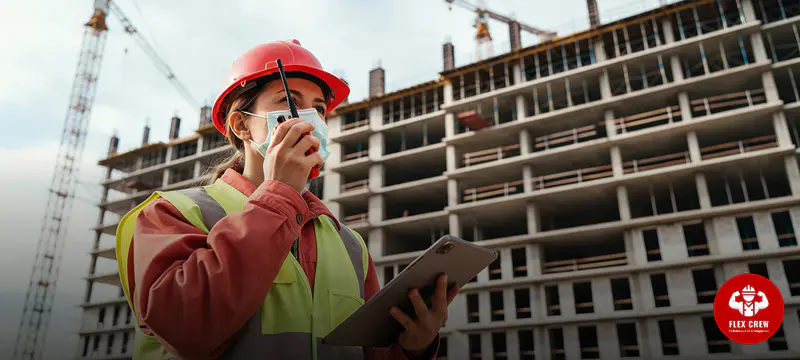
Why Construction Site Safety Starts Before Breaking Ground
Safety begins during hiring. When you bring on electricians, welders, or HVAC techs who've completed OSHA training, you're already ahead. FlexCrew's network includes workers with real-world safety experience across skilled trades.
Before work starts, develop a job-specific safety plan. Identify unique hazards like height work, excavation, or heavy machinery operation. Your plan for a Houston residential project will differ from a pipeline job in rural Georgia. Hold a kickoff safety meeting with the full crew and walk the site to point out potential dangers.
Key elements include:
- Site-specific hazard assessment and risk mitigation
- Emergency contact information and procedures
- Required PPE and equipment inventory
Daily Construction Site Safety Habits That Prevent Injuries
Construction site safety lives in what your crew does every single day. Morning toolbox talks take just five to ten minutes but set the tone for safe work. Discuss today's specific hazards, address weather concerns like Florida's summer heat, and review new tasks or equipment. Let workers voice safety concerns without judgment.
Housekeeping Matters More Than You Think
A cluttered site causes injuries that sideline workers for weeks. Common trip hazards include discarded EMT pipe, extension cords across walkways, and scrap lumber with exposed nails. Clean work areas at shift end and store tools properly. These simple habits prevent twisted ankles, falls, and worse.
Essential PPE Requirements
Personal protective equipment forms your last line of defense. Hard hats, safety glasses, steel-toed boots, high-visibility vests, and work gloves are non-negotiable. Inspect PPE daily for damage a cracked hard hat won't protect anyone.
Specific tasks require additional protection:
- Concrete work needs rubber gloves and boots
- Loud environments require hearing protection
- Dust and fumes demand proper respirators
Fall Protection: The Leading Construction Site Safety Priority
Falls kill more construction workers than any other hazard. If someone works six feet or higher, fall protection is required. Guardrails are the preferred solution with a top rail at 42 inches, a mid-rail, and toe boards.
When Guardrails Aren't Enough
Personal fall arrest systems come into play when guardrails aren't practical. Inspect harnesses daily for cuts or frayed straps. Attachment points must support at least 3,600 pounds. Tie off above your head when possible and limit fall distance to six feet maximum.
Ladder Safety Basics
Ladders deserve special attention because workers use them constantly. Check for broken rungs and cracked rails before climbing. Set ladders on solid, level ground and lock side braces. Never stand on the top two steps. Face the rungs when climbing and maintain three points of contact. Carry tools in a bucket, not your hands.

Scaffolding Inspection Points
Before stepping onto a scaffold, verify it's on stable, level footing and tied off if more than two sections high. Check that planking is secure and guardrails are installed on all open sides. Missing cross-braces mean don't use that scaffold until it's fixed.
Electrical Hazards and Equipment Safety
Electrocution ranks among the top construction killers. Before digging or using tall equipment, verify the location of underground utilities and overhead power lines. Maintain at least ten feet of clearance from lines up to 50kV.
Inspect electrical tools before each use:
- Check for frayed cords or damaged casings
- Verify ground pins are present
- Ensure GFCI protection on temporary circuits
- Disconnect power before changing bits or blades
Heavy equipment demands constant vigilance. Operators need proper training and certification. Workers on foot must stay clear of swing zones and wear high-visibility clothing. Assign spotters for backing or tight maneuvering operations.
Excavation and Trench Safety
Soil collapses happen in seconds. Workers get buried before anyone can react. Any trench deeper than five feet requires protective systems shoring, sloping, or trench boxes. A competent person must inspect excavations daily before entry. Ladders or ramps must be within 25 feet of workers. Never enter an unprotected trench, even briefly.
Building a Speak-Up Culture for Construction Site Safety
Construction site safety thrives when workers report hazards without fear. Encourage your crew to stop work if something looks unsafe. Document near-misses because these close calls expose problems before they cause injuries.
Real examples that matter:
- Worker almost trips on a loose cord
- Tool nearly falls from height
- Vehicle backs up without a spotter
Discuss these incidents at toolbox talks and use them as learning opportunities. Regular inspections keep standards high. Walk the site systematically and check fall protection systems, housekeeping standards, and electrical equipment condition. Correct issues immediately.

Training Impact on Construction Site Safety
Well-trained workers are safer workers. OSHA 10-hour and 30-hour courses provide foundations, but ongoing training matters. Require training for new equipment operation, specialized tasks like powder-actuated tools, and updated procedures.
FlexCrew connects contractors across Texas, Florida, and Georgia with electricians who understand lockout/tagout, welders who know hot work requirements, and HVAC techs who recognize respiratory hazards. When you need skilled trades who won't cut corners on construction site safety, we deliver workers who bring both technical skills and safety knowledge.
For workers seeking construction jobs, highlighting safety credentials matters. Use FlexCrew's AI resume builder to showcase OSHA certifications, fall protection training, and forklift licenses. Contractors notice when candidates take safety seriously.
Emergency Preparedness and Response
Even with prevention, emergencies happen. Every site needs a documented emergency response plan addressing fires, medical incidents, severe weather, and spills. Identify personnel with first aid training and know where fire extinguishers are located. Establish evacuation routes and assembly points.
Hot Work and Fire Prevention
Hot work permits are mandatory for cutting, welding, or open-flame operations. Remove combustible materials within 35 feet or cover them with fire blankets. Post a fire watch during work and for 30 minutes afterward. Store gasoline in approved safety cans and keep oxygen and acetylene bottles separated by at least 20 feet.
Preventing Heat Illness
Heat illness poses serious risks in states like Texas, Florida, and Georgia where summer temperatures regularly exceed 95°F. Workers should hydrate before arriving at work and take breaks every hour in extreme heat. Provide shaded rest areas or air-conditioned trailers.
Warning signs include:
- Headaches and dizziness
- Hot, red skin without sweating
- Rapid pulse and confusion
If someone shows signs of heat stroke, call 911 immediately and move them to shade.
How Construction Site Safety Protects Your Bottom Line
Strong construction site safety records deliver measurable business benefits. Fewer lost-time injuries mean lower workers' compensation claims and reduced insurance premiums. Projects stay on schedule instead of dealing with accident investigations and delays.
Safe workers focus on their tasks instead of worrying about hazards. They show up for work instead of recovering from preventable injuries. A single serious injury costs more than most realize—direct medical expenses, workers' compensation claims, OSHA fines, project delays, and damaged reputation. Prevention costs a fraction of accident response.
Making Safety Part of Your Company Culture
Whether you manage large commercial projects in Atlanta or specialize in electrical work across Florida, make construction site safety part of your planning process. Build it into daily routines. Hold crews accountable and lead by example. When supervisors wear PPE and follow protocols, workers do the same.
FlexCrew helps businesses across Texas, Florida, and Georgia build safer teams by connecting them with skilled workers who know safety isn't optional. Our network delivers the talent you need with the safety mindset you require. For workers looking to advance their careers, our AI resume builder makes it easy to highlight the certifications and training that set you apart.
Construction site safety starts with the right people, proper training, and consistent habits. Make it a priority every day, and everyone goes home in one piece.